
The Royal Ascot: a five-day whirlwind of high fashion, higher stakes, and the kind of millinery that makes you wonder if some guests have accidentally wandered out of a botanical garden or a high-end florist’s dumpster. If you’ve ever wanted to feel simultaneously like a minor royal and a very confused penguin, this is the event for you.
Before you even set foot near a horse, you must face the Final Boss of social etiquette: The Dress Code. At Royal Ascot, "smart casual" is a phrase that will get you escorted off the premises by a man in a top hat who looks like he hasn’t smiled since the Boer War. In the Royal Enclosure, the rules are stricter than a Victorian boarding school. Gentlemen must wear full morning dress—black or grey—complete with a waistcoat and a top hat. The top hat is crucial. It is not merely an accessory; it is a structural hazard. You will spend the day tilting your head like a confused owl to avoid clipping the chandeliers in the grandstand, and you will eventually lose your car keys inside the crown of the hat by 3:00 PM. For the ladies, the "hat or headpiece" must have a solid base of at least four inches (10cm). Do not bring a "fascinator." In the Royal Enclosure, a fascinator is considered a personal insult to the Monarchy. Your headwear should ideally be large enough to have its own postcode and stable enough to survive a light gale, yet light enough that you don't develop the neck muscles of a champion wrestler by the third race.
Navigating your way to Ascot is the first test of your resolve. If you choose to drive, prepare for a scenic tour of the Berkshire countryside’s most prestigious traffic jams. You will sit in your morning suit, sweating gently into your silk lining, while a family in a Volvo stares at your top hat through the window. The train from Waterloo is the more "authentic" experience. It is essentially a rolling cocktail party where the guest list is 40% hedge fund managers and 60% people who have clearly never navigated a train station in a floor-length chiffon gown. By the time you reach Ascot station, the platform is a sea of pastel silks and grey wool. The walk from the station to the course is a gentle uphill trek—a cruel joke played by the architects on anyone wearing four-inch stilettos. This is where you see the first casualties: glamorous women abandoning their dignity to walk barefoot through the car park, clutching their designer heels like trophies of a war they’ve already lost.

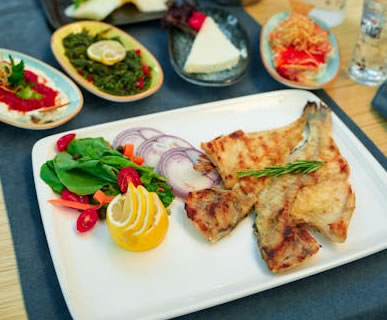
Once inside, you enter the world of "Hospitality." In Ascot-speak, this means paying the equivalent of a small mortgage to eat a very tiny piece of salmon in a very large tent. The Royal Ascot Village or the various private boxes offer an oasis of calm away from the "commoners" (people who only spent £100 on their tickets). Here, the champagne flows with the reckless abandon of a burst fire hydrant. You will be served "canapés"—microscopic arrangements of beetroot and goat’s cheese that require the precision of a surgeon to eat without ruining your silk tie. The true challenge of hospitality is the Afternoon Tea. There is a specific social pressure to eat a scone while wearing a top hat and holding a glass of Bollinger. It is a feat of balance that should be an Olympic sport. By the fourth glass of fizz, the "hospitality" feels less like a refined lunch and more like a high-stakes endurance test. You’ll find yourself nodding enthusiastically at a conversation about "bloodlines" and "staying power," while secretly trying to remember if you actually placed a bet or if you just gave fifty quid to a man who looked like he knew what he was doing.
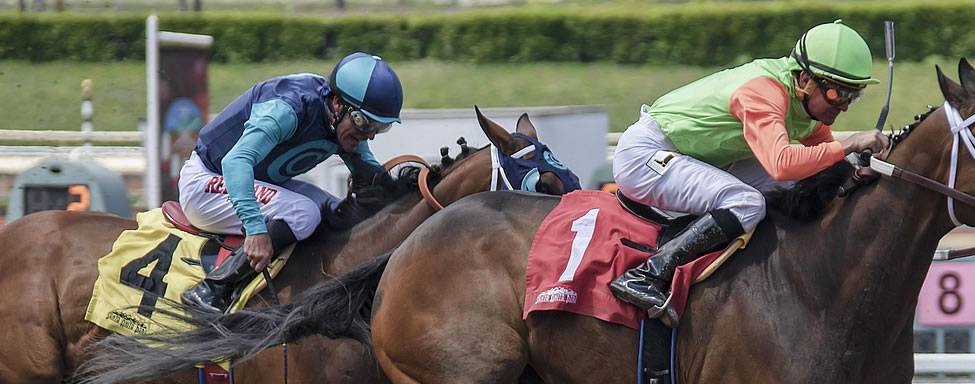
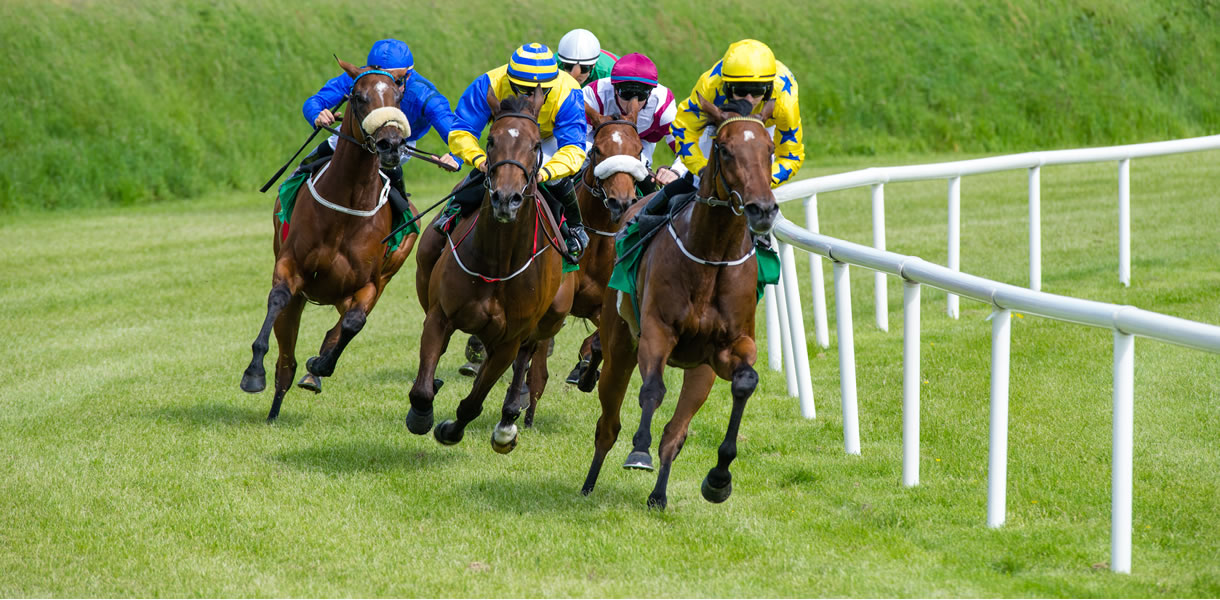
Occasionally, amidst the social posturing and the frantic checking of mirrors, a group of horses will run past. This is the cue for everyone to stop talking about the price of property in Fulham and start screaming at a blur of brown and green. The betting ring is a chaotic symphony of bookmakers shouting numbers that sound like a secret code. You will inevitably pick a horse based on a "feeling," or because its name reminds you of your first pet, or because the jockey is wearing your favourite shade of mauve. You will then watch as your chosen steed finishes so far behind the leader that it essentially becomes part of the following day's race. But it doesn't matter. At Royal Ascot, the racing is almost secondary to the spectacle of people-watching. You’ll see celebrities trying to look inconspicuous in six-foot-wide hats, and elderly Duchesses who can spot a fake pearl from fifty paces.
As the final race ends and the "Sing-along around the Bandstand" begins (a surreal moment where thousands of people in formal wear belt out Sweet Caroline like they’re at a football match), reality starts to set in. The journey home is the reverse of the morning, but with more blisters and significantly less poise. The train back to London is a somber affair. The top hats are now being used as makeshift pillows; the meticulously applied eyeliner has migrated to the cheekbones. You will return home smelling of expensive perfume and horse manure, your wallet significantly lighter, and your feet screaming for mercy. And yet, as you peel off your waistcoat and look at your empty bank balance, you’ll find yourself thinking: "I wonder what hat I should wear next year?"
Visit The Official Royal Ascot Racecourse Website Here for full details of racedays plus buy tickets
Check out the main racecourses in the UK with details of the big races
 Join The Winners