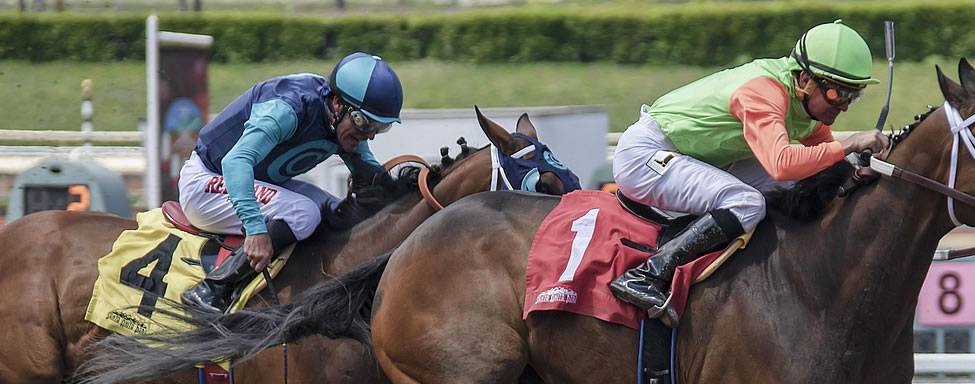

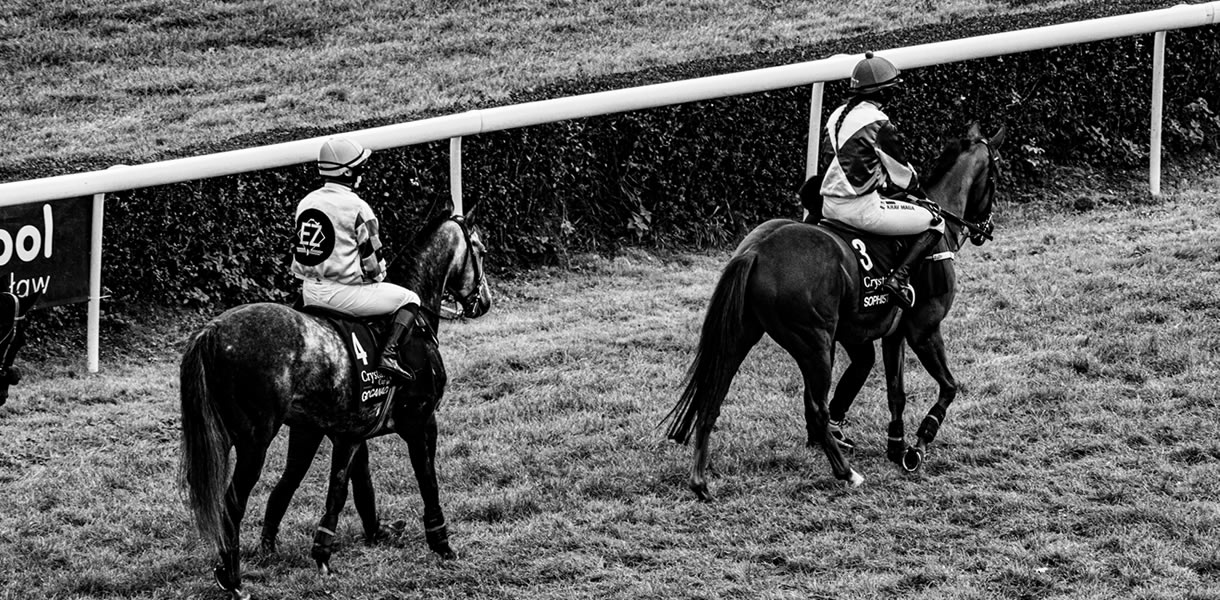
If the 2000 Guineas is a frantic sprint and the Derby is the "Blue Riband" of the turf, the Epsom Oaks is the sophisticated, slightly more chaotic older sister who’s seen it all and still looks fabulous in a fascinator. Established in 1779, it’s one of the five English Classics, specifically designed for three-year-old fillies who have decided that running a mile and a half around a lopsided hill in Surrey is exactly how they want to spend a Friday afternoon.
The Oaks didn’t start in a boardroom; it started at a party. The 12th Earl of Derby was hosting a grand bash at his estate, a lovely little cottage called "The Oaks" near Epsom. Amidst the clinking of champagne glasses and the eating of enough pheasant to wipe out a small ecosystem, the Earl and his friends (including Sir Charles Bunbury) decided they needed a race to test the best young female horses. It was a smash hit. In fact, it was such a success that they decided to invent a race for the boys the following year—the Derby. So, historically speaking, the boys’ race was actually a spin-off. The Oaks is the original pilot episode that was so good the network ordered a full series. The first winner was a horse named Bridget, owned by the Earl of Derby himself. It’s always good form to win your own inaugural trophy; it saves on the engraving costs and makes for a much more pleasant car ride home.
Running the Oaks is not like running a race on a normal track. The Epsom course was clearly designed by someone who hated right angles and loved making horses feel dizzy. It starts with a brutal uphill climb. For the first half-mile, the fillies are essentially engaged in a game of "mountain goat." Then, they reach the highest point and have to navigate a sweeping, downhill left-hander known as Tattenham Corner. Imagine you are a horse. You’ve just sprinted up a hill, you’re slightly out of breath, and suddenly the ground disappears beneath you as you head into a sharp turn with fifteen other horses, all while a small human in bright silk pajamas is whispering, "Go faster, Brenda!" into your ear. Finally, there’s the camber. The track at Epsom tilts toward the inside rail. If a filly isn't well-balanced, she’ll end up "drifting" like a teenager in a modified hatchback in a supermarket car park. Winning the Oaks requires more than just speed; it requires a level of coordination that most humans don’t achieve until their third cup of coffee.
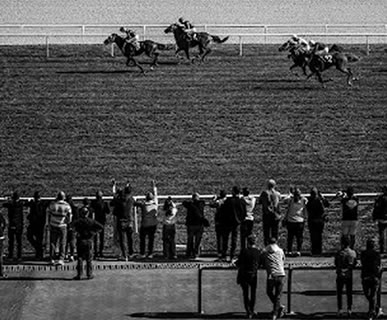
The Oaks is traditionally held on a Friday, which has evolved into "Ladies' Day." This is the day when Epsom becomes less of a racecourse and more of a high-stakes fashion catwalk where the primary enemy is the wind. You will see hats that are technically large enough to provide shade for a medium-sized village. You will see high heels that are entirely unsuitable for grass, resulting in thousands of women walking like newborn fawns as their stilettos sink into the turf. There is a specific British glamour to Ladies' Day. It’s the only place on earth where you can see a woman in a £2,000 Dior outfit screaming, "GO ON, YOU GREAT HAIRY BEAST!" at a horse while clutching a lukewarm plastic cup of Prosecco. It is a beautiful, terrifying spectacle.
The history of the Oaks is decorated with names that sound like they belong to Victorian steamships or expensive perfumes. Take Sun Chariot (1942). Owned by King George VI, she won the Oaks during the height of World War II. Because of the war, the race was moved to Newmarket, which meant she didn't have to deal with the Epsom hill, but she was so good she probably could have run it on a tightrope. She was notoriously grumpy—a diva of the highest order—but she was so fast that the King didn't mind her personality quirks. Then there was Enable (2017). Enable didn't just win the Oaks; she treated it like a light morning stretch. Under a thunderstorm that turned the track into a giant slip-and-slide, she stormed home to win by five lengths. She went on to become one of the greatest horses in history, proving that "girl power" in the racing world involves being able to gallop through mud like an armored tank.
Occasionally, a filly is so good that her owners look at the Oaks and think, "Too easy. Let’s try the boys' race instead." In the early days, this happened more often. But winning the Oaks is prestigious enough that most owners are happy to take the "Ladies' Trophy" and run. The Oaks is the second leg of the Fillies' Triple Crown (sandwiched between the 1000 Guineas and the St Leger). Winning all three is the equine version of winning an Olympic Gold, a Nobel Prize, and a Great British Bake Off apron. It tells the world that the horse is fast, tough, and has the stamina of a marathon runner who’s just been told there’s a sale on at the finish line.
Riding in the Oaks is a masterclass in patience. Because of the downhill finish, jockeys have to resist the urge to "go" too early. If you sprint at the top of the hill, your horse's legs will turn into jelly by the time they hit the final furlong. The jockeys are often seen "balancing" their mounts through the dip, trying to keep a thousand pounds of muscle from tipping over. It’s a bit like trying to keep a grand piano upright while sliding down a water slide. When it works, it’s poetry. When it doesn't, it’s a very expensive trip to the chiropractor.
The Earl of Derby might have lost the coin toss for the 2000 Guineas name (if you believe the legends), but he created something enduring with the Oaks. It remains the definitive test for female horses. The winners don’t just get a trophy; they become the "Queen Mothers" of the racing world. Their foals will be sold for millions to people with private jets and very shiny teeth. A victory in the Oaks ensures that a filly will spend the rest of her life in a five-star luxury paddock, being fed the finest hay and never having to run uphill ever again
The Epsom Oaks is a perfect slice of British eccentricity. It’s a mixture of elite athleticism, historical tradition, and people wearing hats that defy the laws of physics. It reminds us that while the Derby gets the headlines, the Oaks has the history. It’s a race where the wind blows, the ground tilts, and for two minutes and forty seconds, a group of three-year-old fillies proves that they are the true bosses of the Epsom downs. So, next time you see a horse named something like "Moonlight Serenade" or "Galactic Duchess" charging toward Tattenham Corner, spare a thought for the Earl of Derby and his 1779 house party. He just wanted a reason to drink more champagne, and in the process, he gave us one of the greatest spectacles in sport.
Check out the big race histories from the classics to The Grand National
 Visit The Betting Zone