
To visit Aintree during the Grand National Festival is to participate in a three-day social experiment where the stakes are high, the hats are higher, and the odds of your horse actually finishing the race are roughly the same as finding a parking space within two miles of the track. Aintree isn’t just a racecourse; it’s a gladiatorial arena where the gladiators are four-legged and the spectators are dressed as if they’re attending a wedding where the theme is "Explosion at the Sequin Factory."
Let’s start with the logistics, or as it’s known at Aintree, "The Great Merseyside Scavenger Hunt." If you intend to park on-site, you need to have booked your spot approximately three years before you were born. The official parking is like gold dust, but more expensive. Most visitors end up using the "Local Entrepreneur" system. This involves driving down a side street in Fazakerley and paying a teenager £20 to park on a patch of grass that looks suspiciously like his nan’s front garden. You’ll be told it’s "perfectly safe," while eyeing a dog that looks like it’s been trained in professional car stripping. Alternatively, you can take the train to Aintree station, which is conveniently located about thirty seconds from the gates—provided you don't mind being pressed into a carriage so tightly that you accidentally become legally married to the stranger in the lime-green suit standing next to you.
Aintree’s dress code is officially "Dress to Impress," which in Liverpool translates to "Maximum Effort." There is no formal dress code in the sense of the top hats of Ascot, but if you turn up in a tracksuit, the security guards will look at you with the same pitying expression usually reserved for someone who’s just dropped a full pint of Guinness. For the gentlemen, the "Aintree Uniform" is a three-piece suit so tailored it looks like it was painted on. It must be blue, it must be check, and the trousers must end precisely four inches above the ankle to showcase a pair of loafers worn without socks—a bold choice in the North of England, where the April wind can turn a man’s ankles the colour of a frozen turnip. For the ladies, Ladies Day is the Olympics of fashion. The goal is to wear a fascinator so structurally ambitious it requires its own postcode and a silk dress that defies both the laws of physics and the biting breeze coming off the Irish Sea. By 2:00 PM, everyone looks like a million dollars. By 6:00 PM, half the female population is walking to the train station barefoot, carrying their six-inch heels like trophies from a war they barely survived.

Aintree is divided into enclosures, each with its own ecosystem. The Earl of Derby and Lord Sefton Stands: These are the lofty heights for those who want to actually see the horses. They offer "bird's-eye views," which is useful because, by the time the horses reach the final straight, they are mostly just a blur of mud and regret. The Red Rum Garden: This is the social heart of the course. It’s named after the legendary three-time winner, whose spirit presumably looks down on the thousands of people drinking gin-and-tonics and wonder why nobody is giving them a carrot. The Bars: Aintree features some of the longest temporary bars in Europe. This is necessary because the British racegoer views a thirty-minute gap between races as a "hydration emergency." You will stand in a queue behind a man dressed as a jockey and a woman dressed as a giant sunflower, both of them debating the merits of a horse called Slippery Steve.
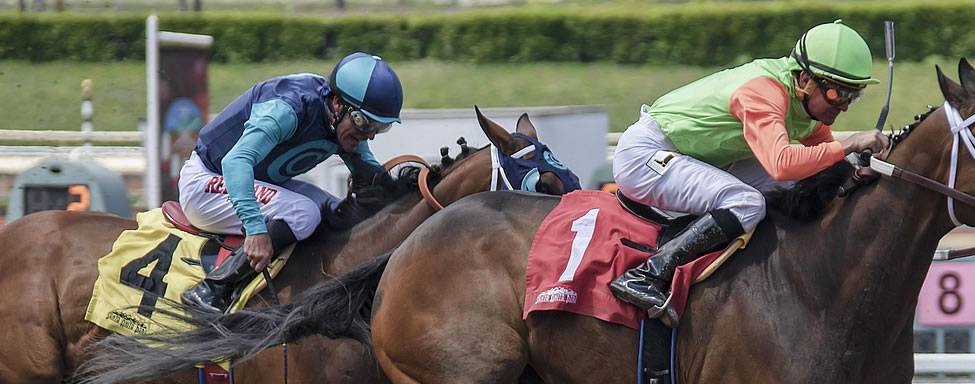
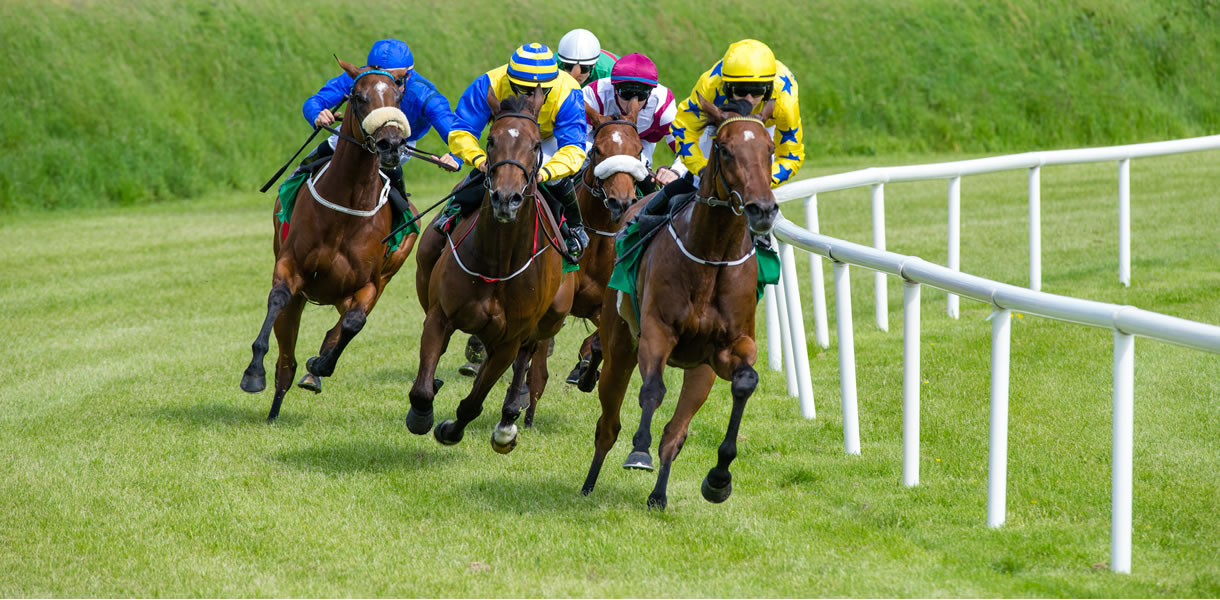
At 4:00 PM on Saturday, the world stops. The Grand National is not just a race; it’s a 4.5-mile chaotic scramble over 30 fences that were designed by someone who clearly had a grudge against horses. The fences have names that sound like characters from a Dickens novel. Becher’s Brook is essentially a vertical drop into a small canyon. The Canal Turn requires the horses to hang a sharp left at 35mph, a manoeuvre usually only attempted by getaway drivers. And then there’s The Chair—the tallest fence on the course, which looks less like a jump and more like a barricade erected during a revolution. The beauty of the National is its unpredictability. You can spend weeks studying the "form," analysing the "going," and checking the "handicap," only for your £10 "certainty" to be taken out at the first fence by a riderless horse that decided it would rather go for a stroll in the infield. The most successful betting strategy at Aintree remains picking a horse because its name reminds you of your first pet or because the jockey’s silks match your tie.
As the horses turn into the home straight, the noise begins. It starts as a low rumble and builds into a cacophony of 70,000 people screaming at the top of their lungs. Total strangers will grab your shoulders and shout, "GO ON, MY SON!" into your ear. For those few minutes, social class, bank balances, and the fact that you’ve lost your car keys in the Red Rum Garden don’t matter. Then comes the finish. There is a split second of silence as the photo finish is verified, followed by a roar that can be heard in Manchester. You will either be hugging a stranger or looking at your betting slip with the same expression you’d give a piece of damp litter.
Leaving Aintree is a test of character. The euphoria of the day has worn off, the wind has picked up, and you now have to find that teenager’s nan’s house in the dark. The walk to the station is a parade of broken umbrellas, discarded burger wrappers, and people trying to remember if they actually liked the color lime-green when they bought the suit. But despite the empty wallet and the wind-chilled ankles, you’ll be back next year. Because there is nothing quite like Aintree. It is a glorious, muddy, glittery, chaotic celebration of the British spirit—a day where we all pretend to be millionaires for eight hours, unified by the hope that, just once, the 100/1 outsider will actually bring us home.
Visit The Official Aintree Racecourse Website Here for full deatils of racedays plus buy tickets
Check out the main racecourses in the UK with details of the big races
 Join The Winners