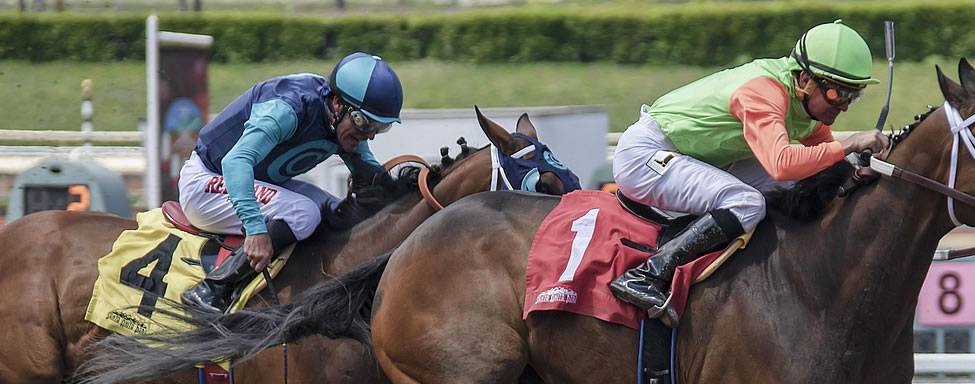

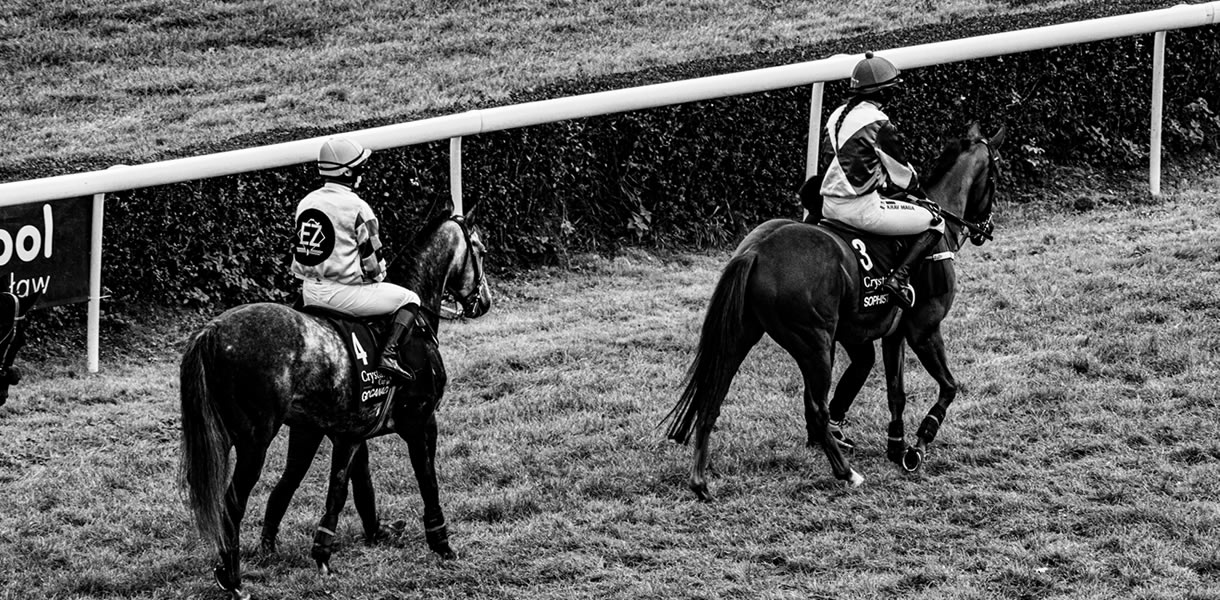
If the 2000 Guineas is a 100-meter dash and the Derby is a middle-distance test of balance, the St Leger is the final boss of the horse racing world. It is the oldest of the five British Classics, established in 1776, and it exists primarily to ask three-year-old horses a very pointed question: "Sure, you’re fast, but can you keep doing this until Tuesday?" Run over a grueling one mile, six furlongs, and 115 yards at Doncaster, the St Leger is the third and final leg of the Triple Crown. It is the race that separates the "Flash Harrys" from the "Iron Horses," and it is the only sporting event in South Yorkshire where wearing a top hat is considered slightly more important than knowing where your horse actually is.
The race was the brainchild of Colonel Anthony St Leger, a man whose name sounds like a secondary character in a Jane Austen novel who gets rejected in the first chapter for being too obsessed with his hedges. In 1776, the Colonel organized a race for three-year-olds over two miles (they later shortened it because even the 18th-century horses were starting to unionize). For the first year, it didn't even have a name; it was just "that long race in Doncaster where everyone gets very tired." It wasn't until a dinner party in 1778 at the Red Lion Inn that the Marquis of Rockingham suggested they call it the "St Leger Stakes." The Colonel, being a modest man—or perhaps just being very drunk on 18th-century ale—reportedly tried to decline, but the name stuck. It’s lucky it did. If they’d named it after the Marquis, we’d be gathered every September for "The Rockingham," which sounds less like a Classic horse race and more like a brand of particularly sturdy outdoor furniture.
Doncaster’s Town Moor is a place of legend. It is flat, it is fair, and it is roughly the size of a small European principality. Unlike Epsom, which has hills and cambers designed by a sadist, Doncaster is relatively flat. This is a trap. Because the course is flat, the horses go faster for longer. By the time they hit the "Rose Hill" section, they realize they still have nearly a mile to go. This is the moment in the race where the jockeys stop looking cool and start looking like they’re trying to row a boat through a swamp. The home straight at Doncaster is roughly the length of the M1 motorway. A horse can be leading by three lengths with two furlongs to go and still finish last because the "Donny slog" has turned their legs into overcooked spaghetti. It is a race won by "stayers"—horses with hearts the size of watermelons and a stubborn refusal to acknowledge physical exhaustion.
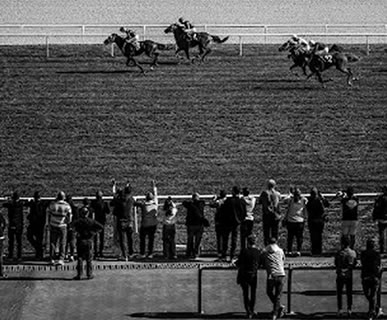
The St Leger is the "widow-maker" of the Triple Crown. To win it, a horse must have already won the 2000 Guineas (speed) and the Derby (balance/stamina). The problem is that by September, most horses who won the Guineas in May are thinking about their upcoming retirement, their stud careers, and which color of velvet rug they’d like for Christmas. Asking them to go an extra half-mile at Doncaster is often considered a bridge too far. The last horse to pull off the Triple Crown was Nijinsky in 1970. He was so good he could probably have won the St Leger while carrying a grand piano, but even he looked a bit tucked up at the finish. Since then, many have tried, but most trainers now treat the St Leger with the kind of suspicion usually reserved for "free" internet trials. They worry that running their star horse over such a long distance will "break their heart," which is racing terminology for "the horse will realize running is hard and stop trying."
If the Derby is about the London elite and the Grand National is about Scouse glamour, the St Leger is about Yorkshire grit. At Doncaster, you will see a fascinating demographic split. On one side, you have the "Enclosure" crowd: men in three-piece suits who look like they’ve just stepped off a 1920s film set, and women in hats that are essentially structural engineering projects. On the other side, you have the "County" crowd: men who have been betting on horses since the silent movie era and who judge a horse's fitness based on how much it reminds them of a tractor they once owned. The St Leger is the highlight of the "Leger Festival," four days of racing where the town of Doncaster essentially shuts down to focus on the serious business of losing money. The local delicacy is a mixture of "something in a pie" and "something in a pint glass," and by the time the main race starts on Saturday, the atmosphere is a heady mix of optimism and fermented hops.
Every year, the St Leger produces a story that defies logic. Take Masked Marvel in 2011, who broke the course record in a time so fast people wondered if he’d been fitted with an illegal outboard motor. Then there’s the story of the 1989 winner, Michelozzo. He was ridden by Richard Quinn, who looked like he was about to fall off from exhaustion himself. Or Simple Verse in 2015, who won the race, was disqualified for "bumping" another horse, and then had the win given back on appeal weeks later. It was the equine version of a VAR decision, but with more paperwork and fewer angry Italians. And we cannot forget Logician in 2019, trained by John Gosden. He looked like a Greek god in horse form, gliding over the Doncaster turf while the rest of the field looked like they were participating in a very slow walking race. He proved that even in a test of stamina, class still smells like expensive leather and success.
Betting on the St Leger is a unique form of torture. Because the race is so long, you have plenty of time to go through every stage of grief. Start: "My horse is in a great position! Look at that stride!" Halfway: "Still looking good. Why is the jockey moving his arms so much?" The Turn: "Oh no. The horse in front is pulling away. Come on, Percy!" The Straight: "He’s coming back! He’s coming back! No... wait... he’s stopped. He’s definitely stopped." Finish: "I never liked that horse anyway. He looks like a donkey." The St Leger is famous for "upsets." Because stamina is a fickle mistress, a 20/1 outsider can often outlast a 1/2 favorite simply because the favorite decided at the mile-and-a-half marker that they’d rather be back in the stable watching Homes Under the Hammer.
In a modern racing world obsessed with "speed, speed, and more speed," the St Leger is a glorious anomaly. It celebrates the "stayer," the horse that doesn't give up, and the breeder who thinks long-term. It’s a link to 1776—a direct line back to Colonel St Leger and his fancy dinner parties. It is a race of dignity, even if the spectators have lost theirs by 4 PM. It is a race of history, and it is the only time of the year when "Doncaster" and "The Center of the Sporting Universe" are used in the same sentence without irony. So, if you ever find yourself at Town Moor in September, take a deep breath of that Yorkshire air, grab a program, and pick the horse with the biggest chest and the calmest eyes. Because in the St Leger, it’s not about who starts the fastest—it’s about who is still standing when the music stops.
Check out the big race histories from the classics to The Grand National
 Visit The Betting Zone