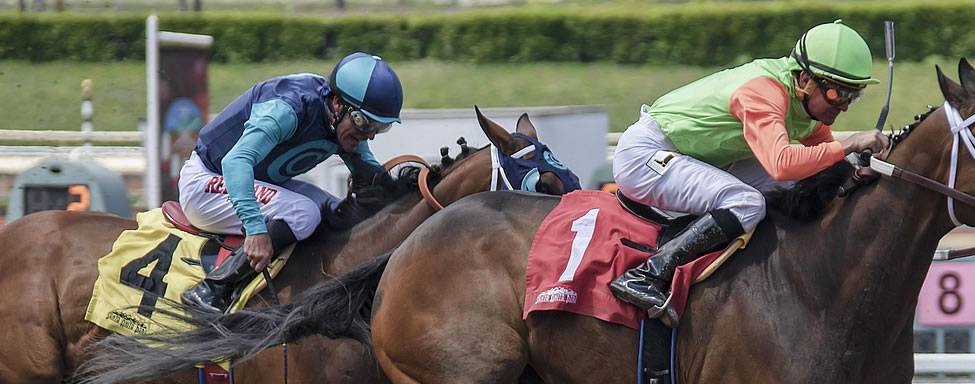

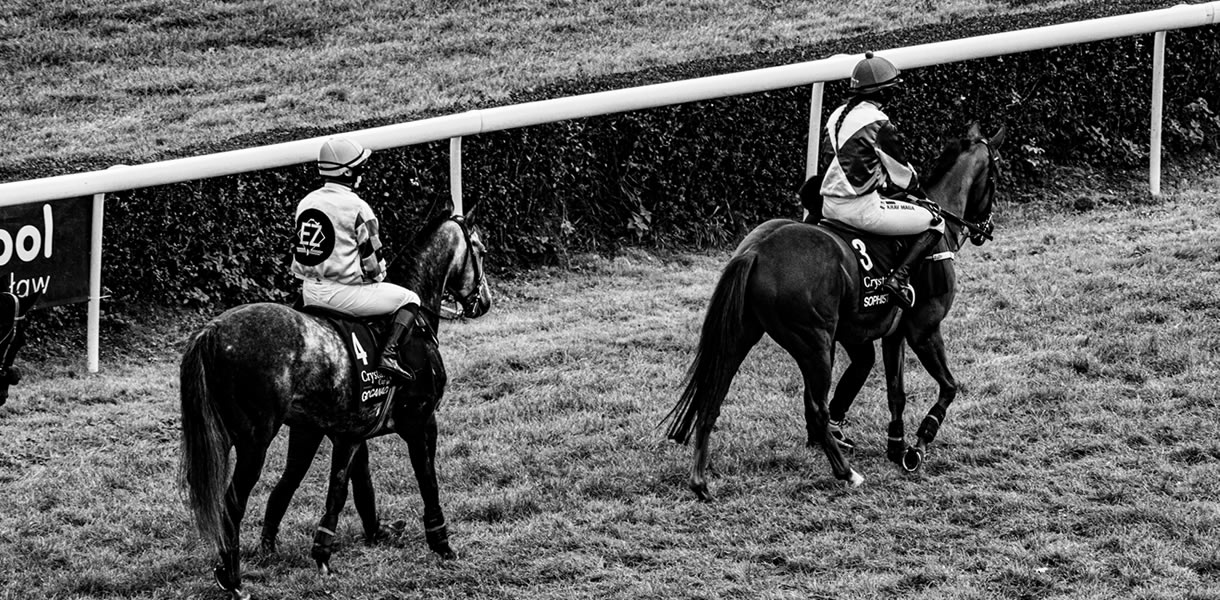
If the 2000 Guineas is the frantic mile-long sprint that introduces us to the season's superstars, the Epsom Derby is the final exam held in the middle of a carnival, on the side of a mountain, inside a hurricane of social anxiety. Established in 1780, it is the race everyone wants to win, primarily because the trophy looks great on a mantelpiece and the winner’s value immediately rockets to "SpaceX Budget" levels.
The race owes its name to a literal flip of a coin. In 1779, Sir Charles Bunbury and the 12th Earl of Derby were feeling particularly smug after the success of their new race for fillies, the Oaks. They decided they needed a race for the boys, too. Legend has it they couldn't decide what to call it. Instead of a mature discussion, they tossed a coin. The Earl of Derby won, and thus we have "The Derby." If the coin had landed on the other side, we would all be gathered every June for "The Bunbury." Imagine the prestige of winning The Bunbury. It sounds less like a world-class sporting event and more like a competitive baking competition involving high-quality muffins. In a twist of cosmic irony, even though the Earl won the naming rights, Bunbury won the first race with his horse, Diomed. Derby didn’t win his own race until 1787, presumably after eight years of politely gritting his teeth while handing trophies to other people.
If you were to design a fair racetrack, you would make it flat, oval, and predictable. The Epsom Derby course is none of those things. It is shaped like a giant, distorted horseshoe and was clearly designed by someone who harbored a deep, personal grudge against horses' ankles. First, there is the climb. For the first half-mile, the horses have to gallop uphill, rising about 184 feet. By the time they reach the top, most horses are wondering if they’ve accidentally signed up for a mountaineering expedition. Then comes the turn at Tattenham Corner. This is where the race gets "cinematic." It’s a sharp, sweeping downhill left-hander that spits the horses out into the home straight. If a jockey gets this wrong, they end up in the next county; if they get it right, they use the centrifugal force to slingshot toward the finish line like a furry Formula 1 car. Finally, there is the camber. The track doesn't just go down; it tilts sideways toward the inside rail. A horse running at 40mph suddenly feels like they are trying to sprint across the roof of a house. If a horse doesn't have "balance," they end up wandering across the track like a drunk looking for a kebab shop at 2 AM.
No history of the Derby is complete without mentioning 1913, though it is the one moment where the humor stops. Emily Davison, a suffragette campaigning for women's right to vote, stepped onto the track at Tattenham Corner and was struck by King George V’s horse, Anmer. It was a tragic, pivotal moment in British history that transformed the Derby from a mere horse race into a flashpoint for social change. It’s a reminder that for centuries, the Derby wasn't just a sporting event; it was the one day of the year when the King, the paupers, and the protesters all occupied the same stretch of grass.
For much of the 19th century, the Derby was less of a race and more of a sanctioned riot. Before the days of strict security and fences, the crowd—which could number in the hundreds of thousands—would often spill onto the track. The most famous recurring character was the "Derby Dog." Almost every year, a stray dog would find its way onto the course just as the horses were thundering toward the finish. The crowd would cheer for the dog, the jockeys would scream at the dog, and the dog would generally look thrilled to be part of the festivities. Eventually, the police started clearing the track of four-legged spectators, but the "Derby Dog" remains a mascot for the sheer, unorganized chaos of the early years.
In 1981, a horse named Shergar turned up. Shergar didn't just win the Derby; he made the other horses look like they were made of stone. He won by ten lengths—the largest winning margin in the race’s history. His jockey, Walter Swinburn, looked like he was out for a leisurely morning trot while the rest of the field was engaged in a desperate, lung-bursting struggle for survival. Shergar became a national hero, only to become the subject of racing's darkest mystery when he was kidnapped by the IRA in 1983. To this day, "Where is Shergar?" remains the most haunted question in the sport.
What makes the Epsom Derby unique is the Hill. While the rich people sit in the grandstands wearing top hats that cost more than my car, the center of the course (The Hill) is open to the public for free. Historically, this area was populated by Gypsy camps, fortune tellers, and fairground rides. There is an old legend that if the Gypsies are ever kicked off the Hill, the Derby will never be run again. Consequently, the authorities are very polite to the fortune tellers. It’s a strange sight: a multimillion-pound Thoroughbred charging past a Ferris wheel while someone nearby is having their palm read and eating a tray of greasy chips.
In the 21st century, the race has been dominated by Aidan O’Brien and the Coolmore operation. They have turned winning the Derby into a mathematical certainty. O'Brien has won the race a record nine times, often entering five or six horses at once just to make sure the trophy stays in Ireland. His horses are bred with such precision that they probably have built-in GPS and a pre-installed sense of destiny. Watching an O'Brien winner is like watching a Swiss watch—it’s perfect, it’s efficient, and it makes you feel slightly inadequate about your own achievements.
So, why does the Derby matter? It’s because it’s the ultimate "Gold Standard." If a horse wins at Epsom, they have conquered the climb, survived the corner, and balanced on the camber. They are the undisputed champion of their generation. It’s also the one day when the British class system collapses. You have the Royal Family in one box, billionaire oil sheikhs in another, and a man named "Bazza" on the Hill who has bet his entire week’s wages on a horse because he likes the jockey’s purple socks. The Derby is a beautiful, expensive, high-speed muddle. It is 246 years of tradition pinned to the hopes of a three-year-old horse who, let’s be honest, would probably rather be in a quiet field eating a carrot. But for those two and a half minutes in June, that horse is the center of the universe.
Check out the big race histories from the classics to The Grand National
 Visit The Betting Zone